
Buying off plan in Kenya: what to check before you pay a deposit
Off plan can get you a better price and a payment plan that fits your cashflow. It can also tie up your savings in a project that never finishes. Here is what separates the two.

Ushindi Administrator
Administrator
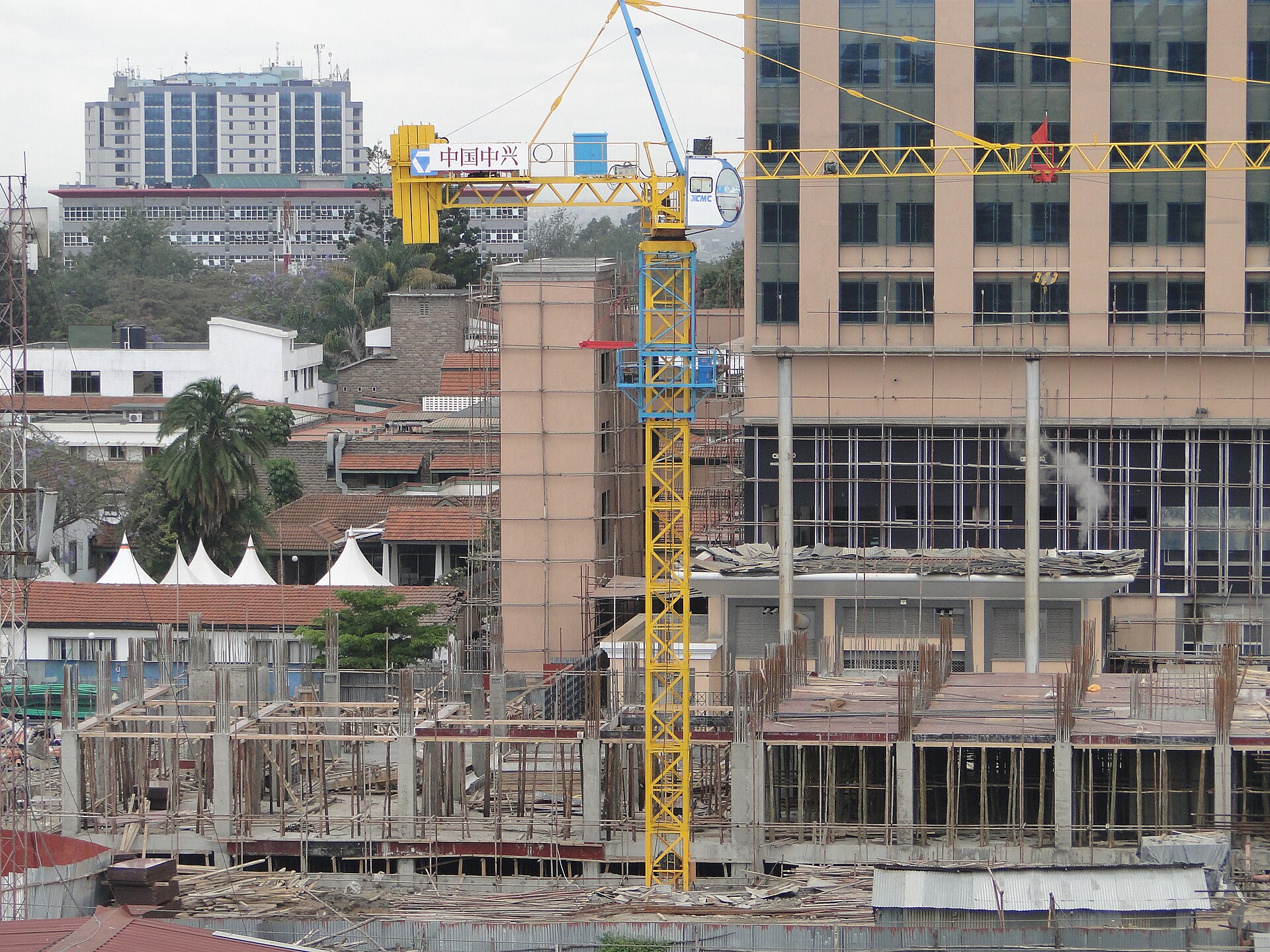
Buying off plan means paying for a home that does not exist yet. Done well, it is how a lot of Kenyan buyers get into ownership earlier than they otherwise could — at a lower price than the finished article, on terms that spread the cost across construction rather than demanding it all upfront.
Done badly, it is how people lose deposits.
The difference is almost never the brochure. It is the developer, the paperwork and the structure of the payment plan. Here is what we check before we agree to market a development, and what you should check before you commit to one.
1. Look at what the developer has already finished
Renders tell you what a developer intends. Completed buildings tell you what they deliver.
Ask for a list of previous projects and go and see at least one. Walk the common areas. Look at the finishes two or three years after handover, not on the day. Talk to a resident if you can — ask whether handover happened when promised, and whether the specification matched the agreement.
A developer with nothing completed is not automatically disqualified. But a first project carries materially more risk, and the price should reflect that.
2. Confirm the land and the approvals
Before any money moves, your advocate should confirm:
- Who owns the land, and whether the developer actually has the right to develop it
- Whether the title is clean — no caveats, no undisclosed charges
- That approved architectural plans exist and match what is being marketed
- That change of user has been obtained where the land was previously zoned for something else
- Whether rates and land rent are cleared
This is not optional and it is not expensive relative to what you are about to spend. If a developer resists letting your advocate see these documents, that is your answer.
3. Read the payment schedule properly
The single most important structural question in an off-plan purchase: are your payments tied to construction milestones, or to dates on a calendar?
Milestone-based payments mean you pay when work is actually done — slab cast, walls up, roof on. Date-based payments mean you pay on schedule whether or not anything has been built. The second structure moves all of the risk onto you.
Insist on milestones, and insist that the milestones are verifiable by inspection.
4. Find the longstop date
Delays are normal in construction. What is not normal is an agreement with no outer limit on them.
A longstop date is the point at which, if the development is still not complete, you have defined rights — usually to compensation, to interest on what you have paid, or to walk away and be refunded. Find that clause. If it does not exist, ask for it. What the developer says in response tells you a great deal.
5. Understand what you are actually buying
Ask whether the development will be registered under sectional titles, and what the expected timeline for issuing them is. A sectional title gives you a title deed for your specific unit, which matters when you later want to sell it or borrow against it.
Also confirm, in writing:
- The exact floor area of your unit, and whether that figure includes the balcony
- Your parking allocation — how many bays, and whether they are assigned or shared
- The specification schedule: what finishes are included at that price
- The estimated service charge, and what it covers
6. Budget for the costs beyond the price
The purchase price is not what the home costs you. Add stamp duty, advocate's fees, valuation and bank charges if you are financing, registration fees, and the service charge from the month you take possession.
Buyers routinely underestimate this by a meaningful margin. Work it out before you commit, not after.
A reasonable way to think about the risk
Off plan is not inherently dangerous and it is not a shortcut. It is a trade: you accept construction and completion risk in exchange for a lower price and easier terms.
That trade is worth making when the developer is proven, the paperwork is clean, the payments follow the building, and you have a defined position if things run late. When any one of those is missing, the discount is not compensating you for the risk you are taking.
If you are weighing a specific development and want a second opinion on the agreement, talk to us. We will tell you what we would want changed before we signed it ourselves.
Ushindi Administrator
Administrator